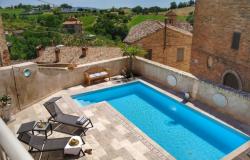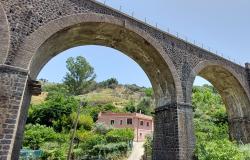


As you walk through the iron gates of a fig-tree-lined estate, your host, Elisabetta, welcomes you into her home outside Catania. In a maiolica-tiled sitting room, she offers you paste di mandorla (almond cookies) and coffee and begins to recount the story of the house that has been in her family — seen in portraits she shows you — for generations.
Many travelers, if given the option, might prefer a stay at Elisabetta’s (found in a neighborhood outside Catania through a local friend) over a hotel without a local connection, but they might not know how to find this type of experience. It can be a challenge to connect with small businesses in Italy if you don’t speak Italian or don’t have on-the-ground contacts. It can be easier to opt for online-bookable accommodations found in obvious tourist areas, or to go with well-known hotel brands. Yet there are many reasons why it’s worth the effort to find travel experiences that might not have a single tagged Instagram post or TikTok reel.
Here’s why you might want to go with independent businesses on your next trip to Italy, plus a few tips from travel experts for how to make that happen.
Go beyond guidebooks and recommended itineraries

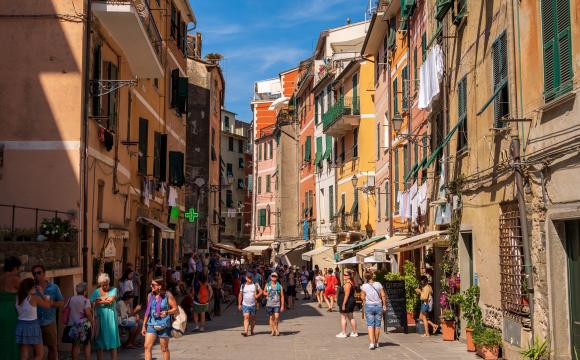
When a trip doesn’t follow the recommendations that many other travelers follow, one obvious benefit is avoiding crowds. Even if you book online, you can find accommodations outside the city center, in neighboring towns, or in suburbs, away from mass tourism. There are still plenty of neighborhoods where you can sip a coffee at a bar next to people on their way to the office, or have a multi-course trattoria lunch alongside workers on their breaks. But knowing how to find these types of places can be made easier by working with travel planners, such as Trinakria Tours, which offers “Fly and Drive” tours. They can organize rental cars, logistics, accommodations and local experiences, which include full itineraries, giving travelers an entry point into Italian culture.
Live in a place as a guest, not as a tourist

When you’re traveling in Italy, you could feel at home, like you’re still in North America, or at a home in Italy. When you go independent, you’re less likely to find cereal, scrambled eggs, granola and chia pudding for breakfast and more likely to wake up to a freshly-made pie or local jam with bread, or fruit such as just-picked figs — a traditional Italian breakfast. Breakfast might even mean chatting with the person who made your morning coffee or pastry to learn about their home.
Learn about Italian culture

When you’re a guest instead of a tourist, you’ll undoubtedly learn more about Italy. Staying at that family-run bed and breakfast outside of Catania might lead to taking a class where you learn how to make the pastries you were served. Eating at a small trattoria that may not have a large presence on Tripadvisor, Google Maps or in guidebooks could mean trying a risotto with foraged herbs and vegetables that you spotted on a hike right before lunch. As a guest, you won’t be an observer; you'll be a participant in Italian culture.
Support initiatives for future generations

By going local, you can also support long-term efforts to help communities endure economic, environmental, and tourism shifts.
As Trinakria Tours founder and Sicily-born Boris Bonanno says: “Tourism can generate pressure on fragile territories — yet, when managed with community-based criteria, it can also become a multiplier of local well-being.”
Following that mindset, Trinakria and its clients have helped to revitalize the urban spaces in Vittoria, Sicily, in the province of Ragusa, by supporting a contemporary and performing art festival.
In southeastern Sicily, in a transformed agricultural area known as the Fascia Trasformata, they’re developing a pilot to address the environmental and social impacts of intensive greenhouse farming using innovative biopolymer-based materials. This regeneration program, driven by tourism revenue and core to Trinakria’s future business goals, is expected to significantly reduce dioxin emissions from open burning and plastic waste in the region.
Travelers can also support what’s called Regenerative Tourism — which has been recognized with certifications for tour operators like Trinakria that align with the United Nations Sustainable Development Goals — by making their own conscious choices. By supporting an independent restaurant, hotel, or tour operator, you can contribute to tourism that doesn’t alter the place you’re visiting, and instead gives back to it.
About Trinakria Tours
Trinakria Tours was founded in 2006 to design tailor-made journeys for travelers, which combine unique travel styles with the character of a destination. First with Sicily tours, on an island they know deeply and passionately, later adding Sardinia, Apulia, Tuscany, Crete, the Peloponnese, Albania, and the Cyclades. All of its bespoke tours in the Mediterranean follow a philosophy of carefully crafting journeys that are deeply connected with local culture, gastronomy, landscapes, and history. Contact them to plan your next trip or learn more at Trinakriatours.com.